


Some exhibitions open, close, and quietly disappear.
Others continue to evolve.
L’ÉCOLE, School of Jewelry Arts, supported by Van Cleef & Arpels, has spent the past several years taking one of its most ambitious gemological exhibitions around the world. The latest stop was Seoul, South Korea, where Garden of Emeralds welcomed visitors from June 25 through July 15 as part of L’ÉCOLE’s Nomadic School program.
Rather than focusing solely on magnificent emerald jewelry, Garden of Emeralds tells the complete story of one of history’s most celebrated gemstones—from its geological formation deep within the Earth to the artistry of the lapidary and jeweler who transform rough crystal into extraordinary works of art.
Along the way, visitors encounter historic jewels, mineral specimens, gemological discoveries, and something most museum visitors rarely have the opportunity to experience:
The remarkable hidden landscapes inside emeralds.
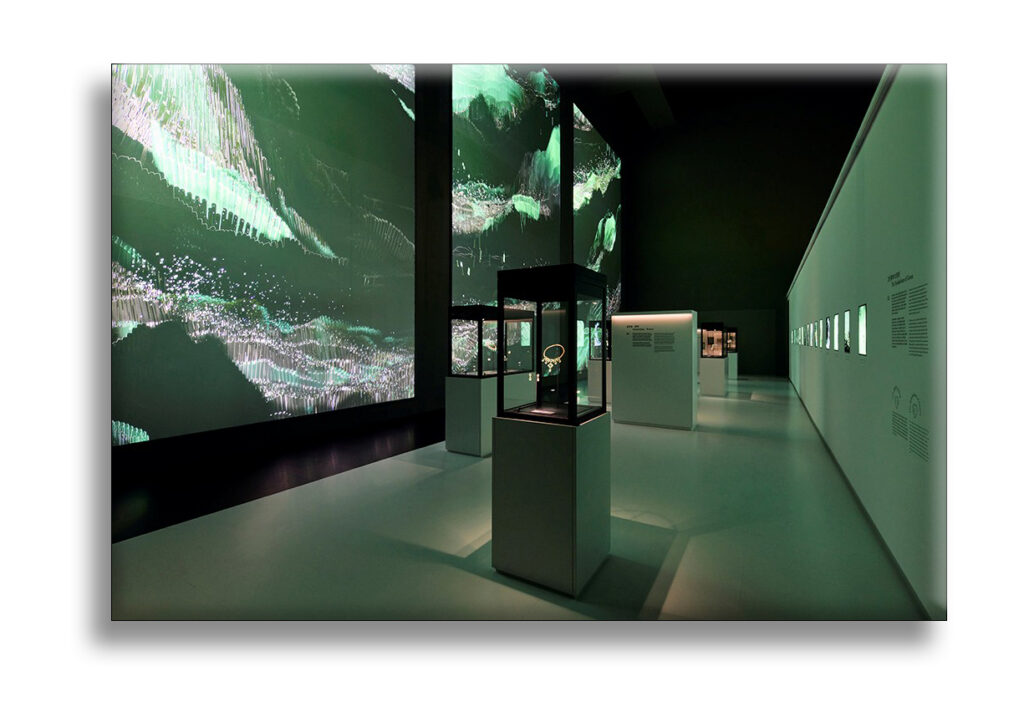
Image courtesy of L’École/Van Cleef & Arpels.
Looking inside the “garden”
Gemologists have long referred to the intricate inclusions within emeralds as the stone’s jardin—its “garden.”
Using photomicrography, Garden of Emeralds allows visitors to step inside those gardens, revealing crystal formations, growth features, fluid inclusions, and internal scenes that are invisible to the unaided eye.
Several of those images were contributed by members of the Lotus Gemology team, whose photomicrographs help explain not only how emeralds formed, but also why no two stones are ever quite alike.
For gemologists, these microscopic features provide valuable clues to an emerald’s origin, growth history, and even possible treatments. For museum visitors, they offer an entirely new way of appreciating a gemstone that many have admired only from the outside.
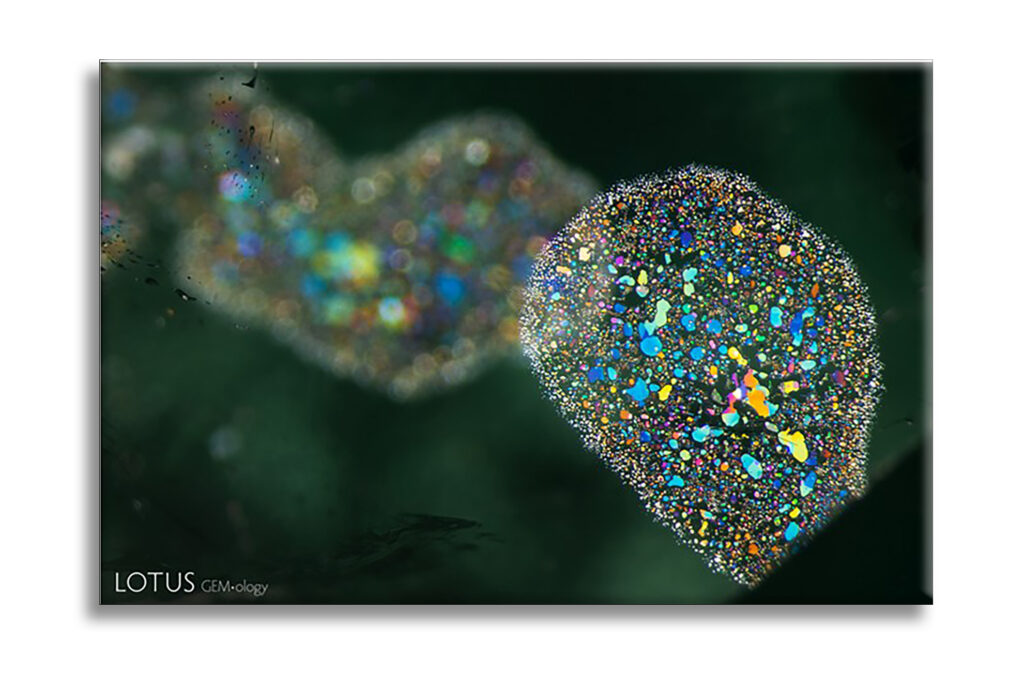
Image: Billie Hughes/Lotus Gemology.
Sample courtesy of Tsarina Jewels.
More than beautiful jewelry
The exhibition also brings together exceptional examples of emerald jewelry spanning centuries of design.
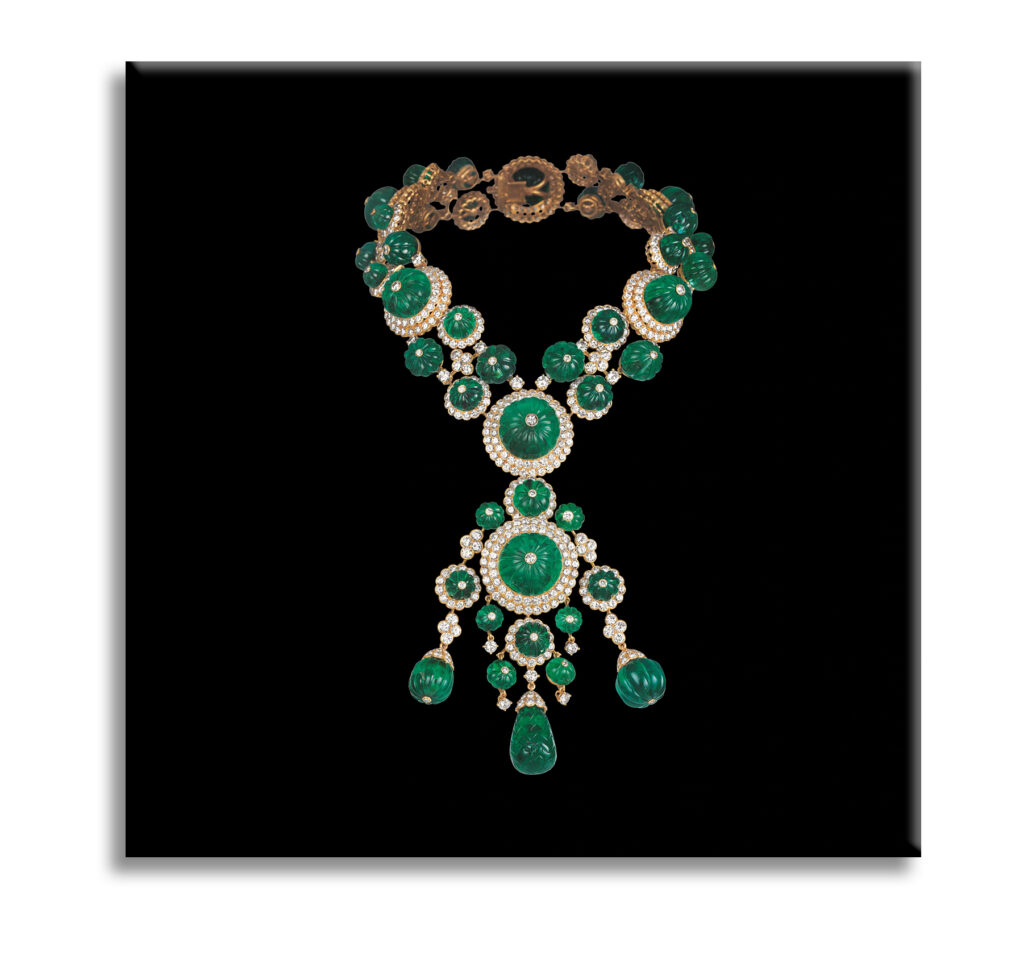
Among the featured works are a 1949 Van Cleef & Arpels Hindu Necklace, a 1967 Mystery Set™ two-leaf clip, a 1971 emerald and diamond necklace once owned by Her Highness Begum Salimah Aga Khan, a mid-19th-century emerald and diamond snake bangle from the Faerber Collection, and an impressive emerald crystal from Russia’s historic Malyshevo deposit.
Together, the objects demonstrate that emerald’s appeal has remained remarkably consistent across cultures and generations—even as cutting styles, jewelry fashions, and collecting tastes have evolved.
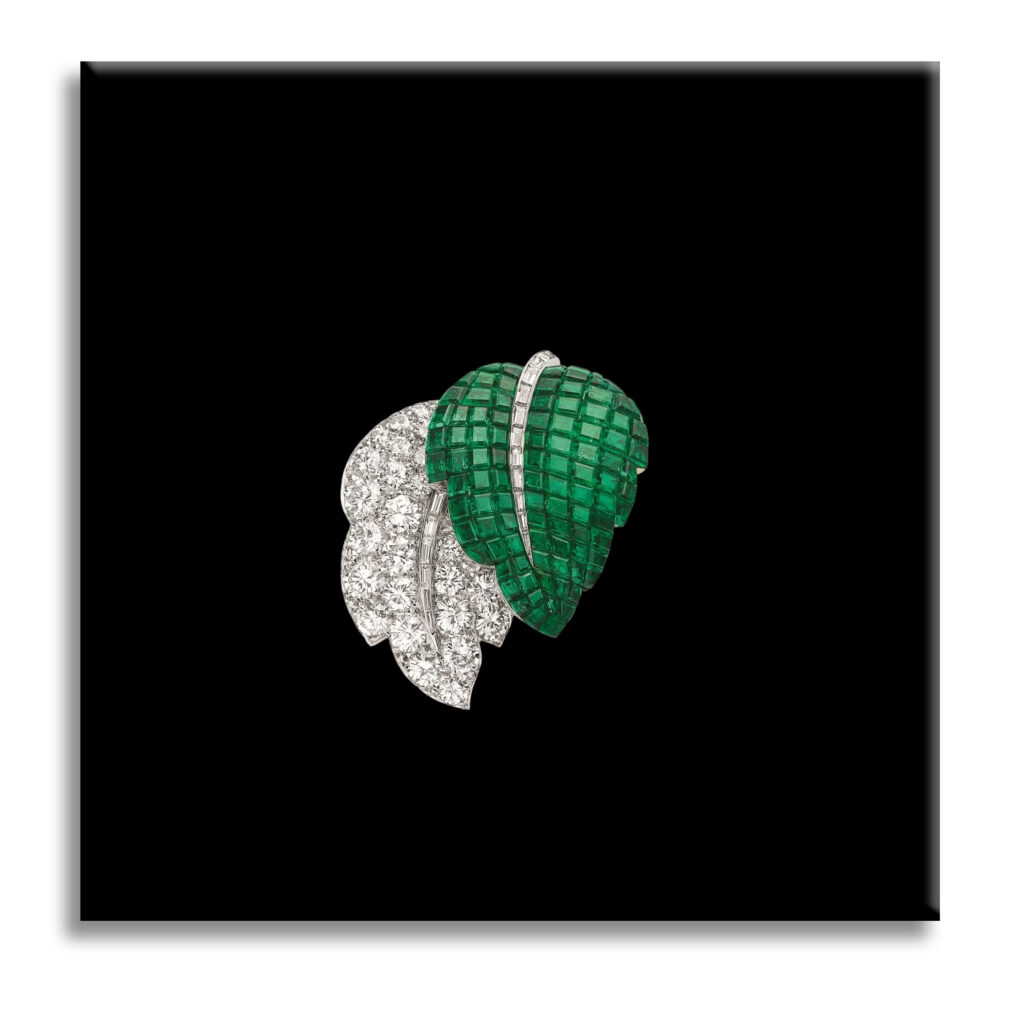
Two-leaf clip, 1967
Platinum, yellow gold, Mystery Set emeralds, diamonds
Van Cleef & Arpels Collection
An exhibition with its own journey
The Seoul presentation is only the latest chapter in the exhibition’s own story.
Garden of Emeralds first appeared in Dubai before traveling to Shanghai, and then, most recently, Seoul, continuing L’ÉCOLE’s mission of bringing gemological education to audiences around the world through its traveling Nomadic School program.
In Seoul, the exhibition formed part of a three-week educational program featuring more than one hundred lectures, workshops, and presentations dedicated to jewelry arts, gemstones, craftsmanship, and design.
Rather than presenting gemstones simply as luxury objects, L’ÉCOLE encourages visitors to understand the science, history, and human craftsmanship behind them—a philosophy that resonates strongly with gemologists everywhere.
The hidden world beneath the surface
For those of us who spend our lives studying gemstones, it is easy to forget that most people never have the chance to peer through a microscope.
Exhibitions like Garden of Emeralds help bridge that gap.
By combining history, science, craftsmanship, and the microscopic beauty hidden inside every emerald, L’ÉCOLE reminds visitors that every gemstone has a story—one that begins millions of years before it ever reaches a jeweler’s bench.
And thanks to the remarkable photomicrography contributed by Lotus Gemology, visitors in Seoul were able to see that story unfold from the inside out.
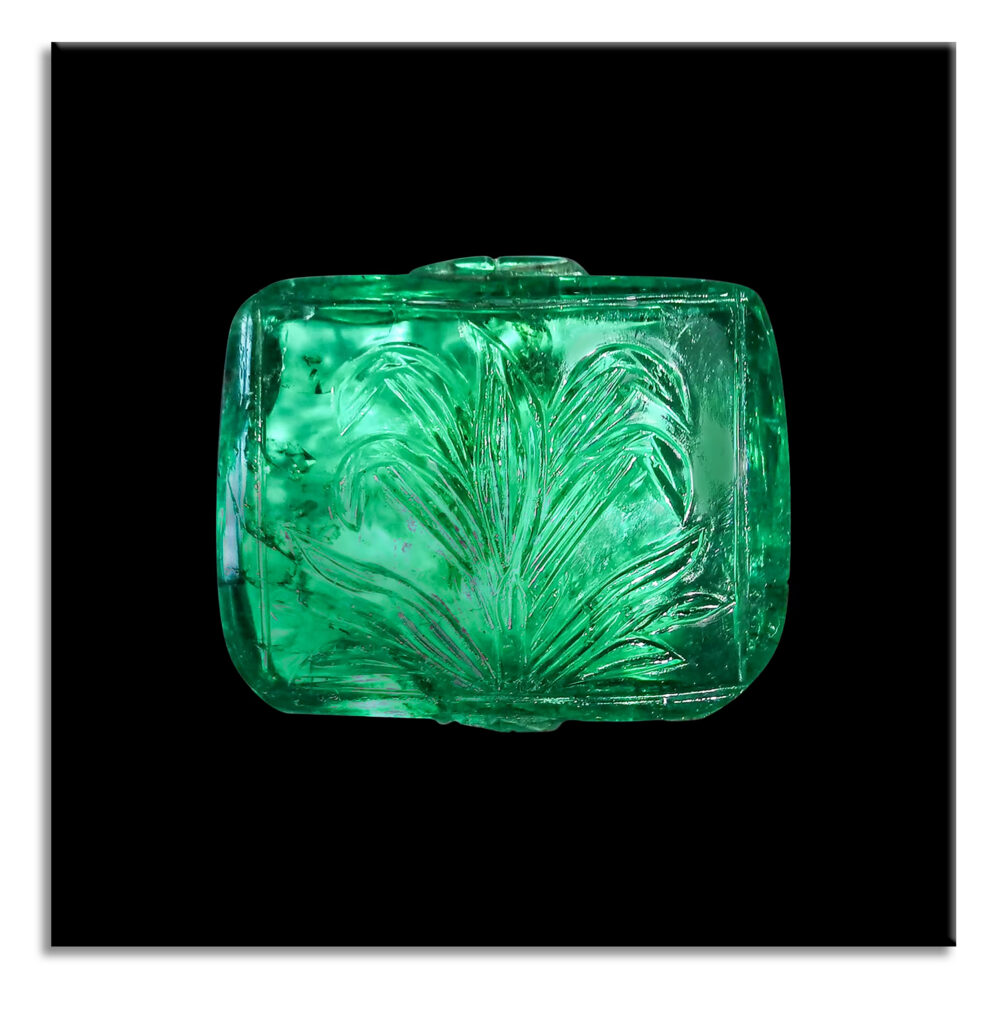
Formerly in the collection of Prince de Polignac
36.29 carats
Probably 18th century
Faerber Collection
© Charlotte Straumann Hanson
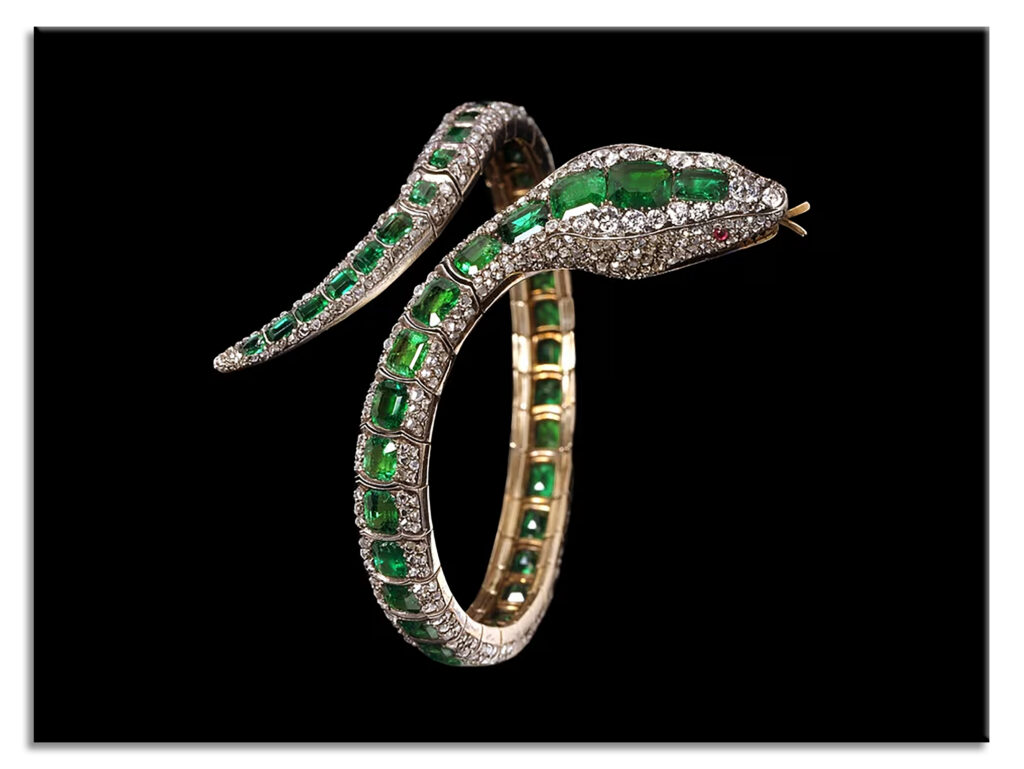
Yellow gold, silver, diamonds, rubies and emeralds
Faerber Collection© K. Faerber
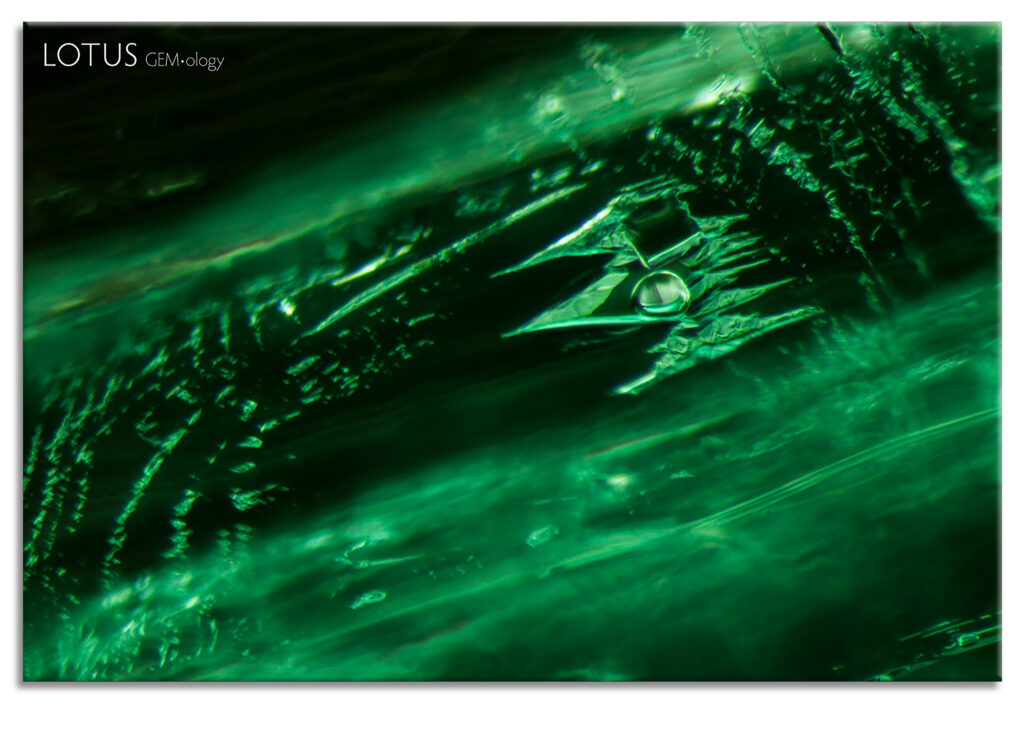
Image: Wimon Manorotkul/Lotus Gemology.
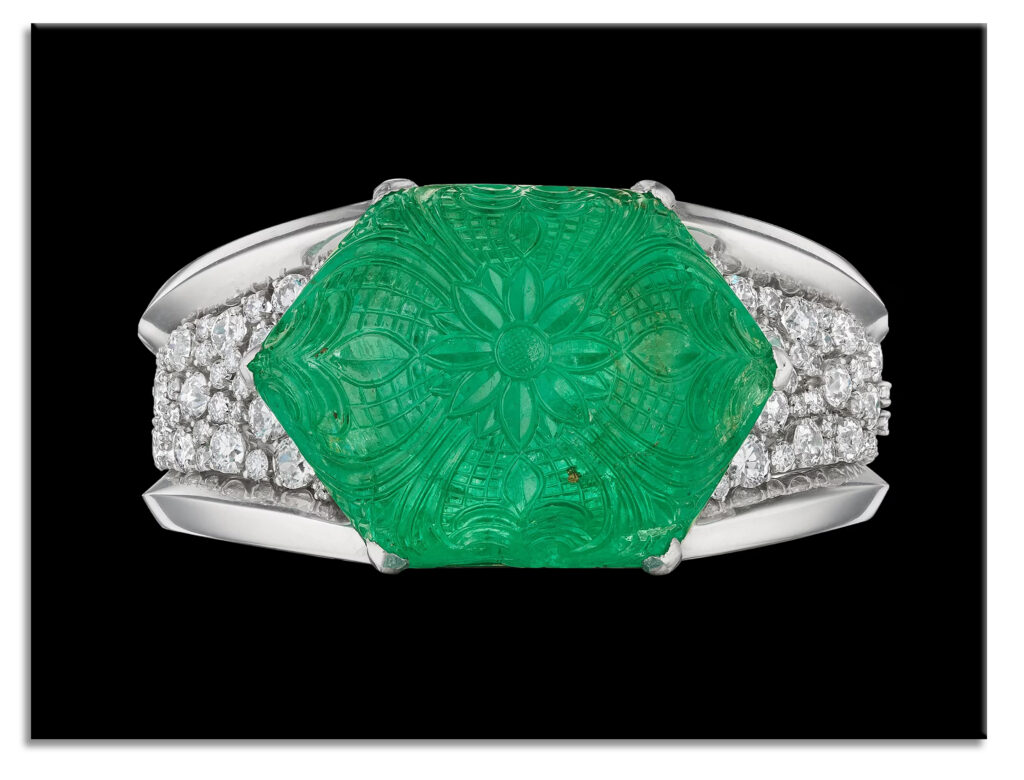
platinum, carved hexagonal, Colombian emerald, diamonds
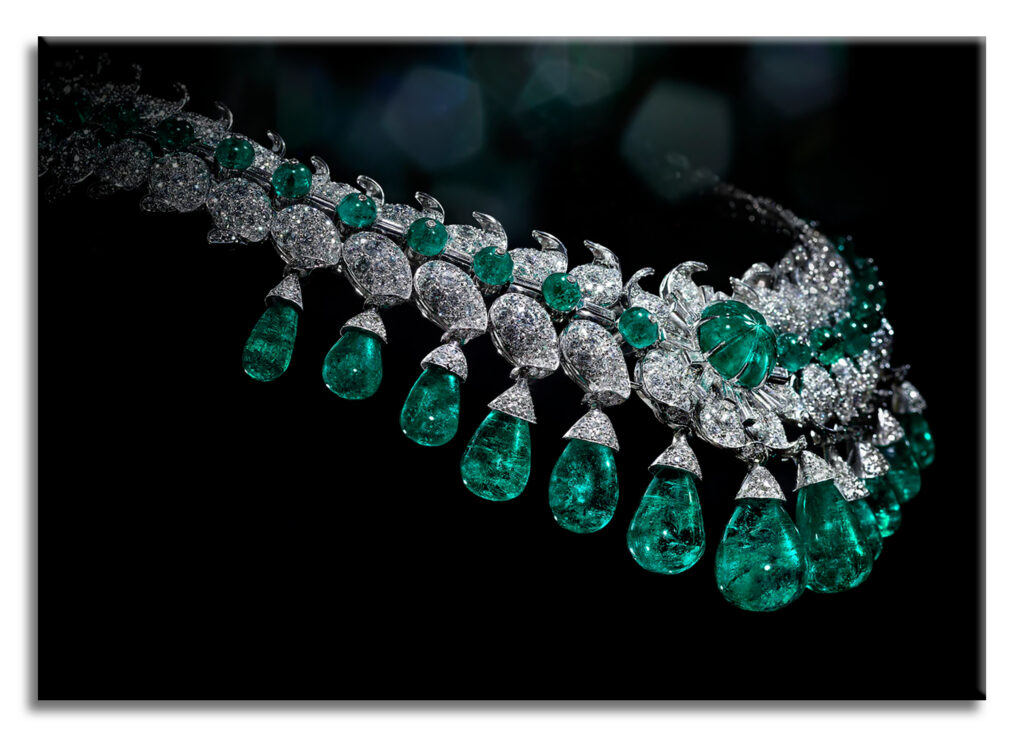
L’ÉCOLE, School of Jewelry Arts – Nils Herrmann
To complement Garden of Emeralds, explore Emeralds from the Silk Roads, which examines evidence that, alongside the famed Egyptian deposits, emerald may also have been known from Central Asia in antiquity.
Emeralds from the Silk Roads
Marie-Laure Cassius-Duranton, Vincent Pardieu, and Stefanos Karampelas
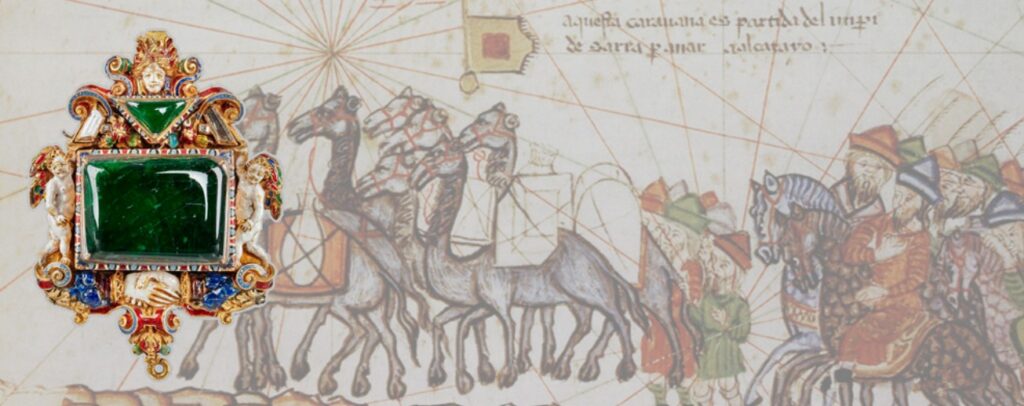
Tap here to explore one of the world’s most beautiful traveling gem exhibitions
—and the hidden landscapes inside emeralds that most visitors never get to see.