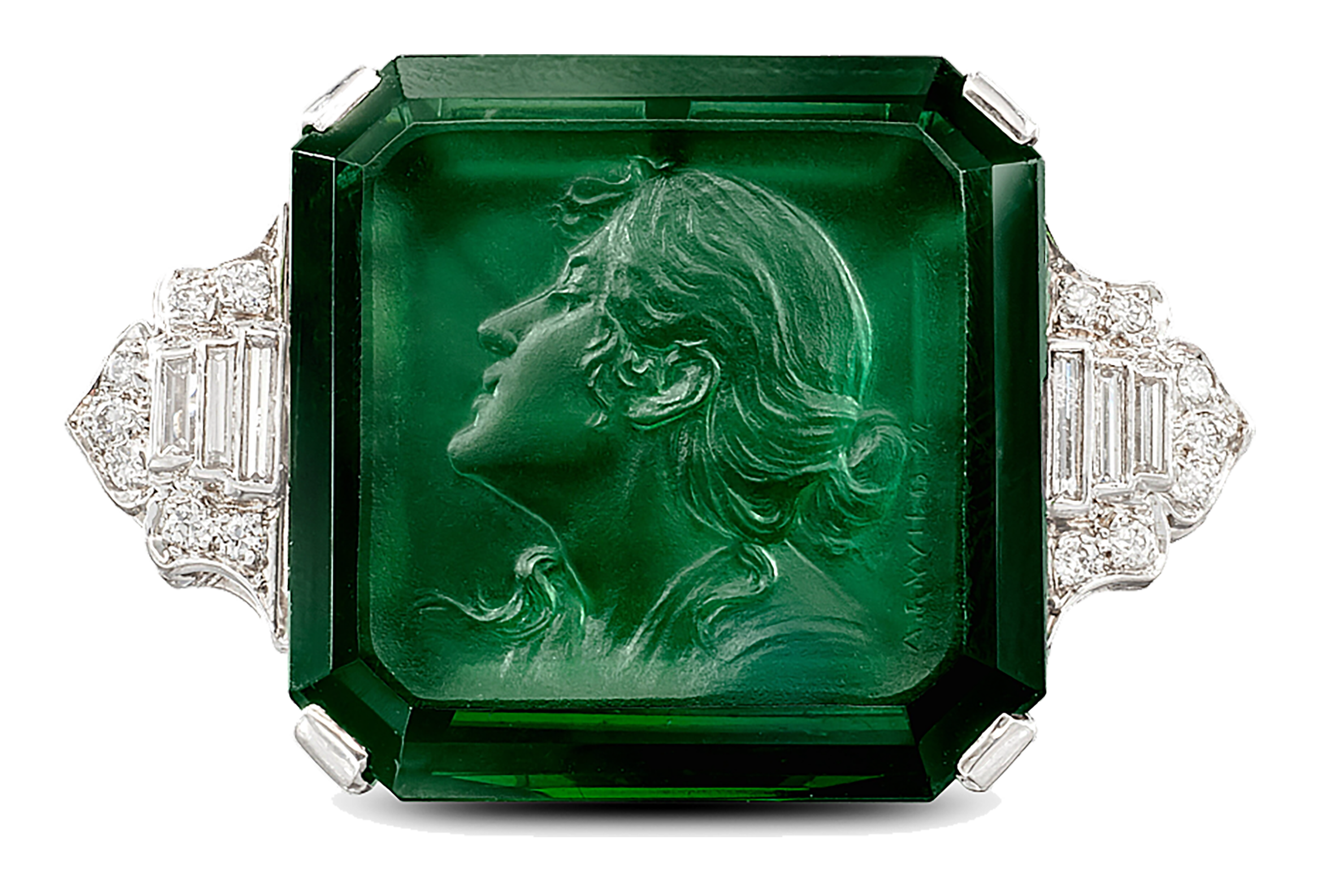
A.R. WILD 22 … It is a small signature on a rather large tourmaline. The 38 × 24 mm green tourmaline we are referring to is the centerpiece of a Cartier Art Deco platinum and diamond brooch being offered as Lot 1618 in Sotheby’s Hong Kong High Jewelry auction on September 17.
Sotheby’s describes the carving as an “intaglio carved portrait of a lady.” The jewel is dated circa 1925, and carries an estimate of HKD 260,000–450,000 (approximately $33,000–$57,000 US).
But those few letters carved into the tourmaline — A.R. WILD 22 — tell us there is much more to the gemstone and this jewel.
So we went to someone who would know more.
Manfred Wild
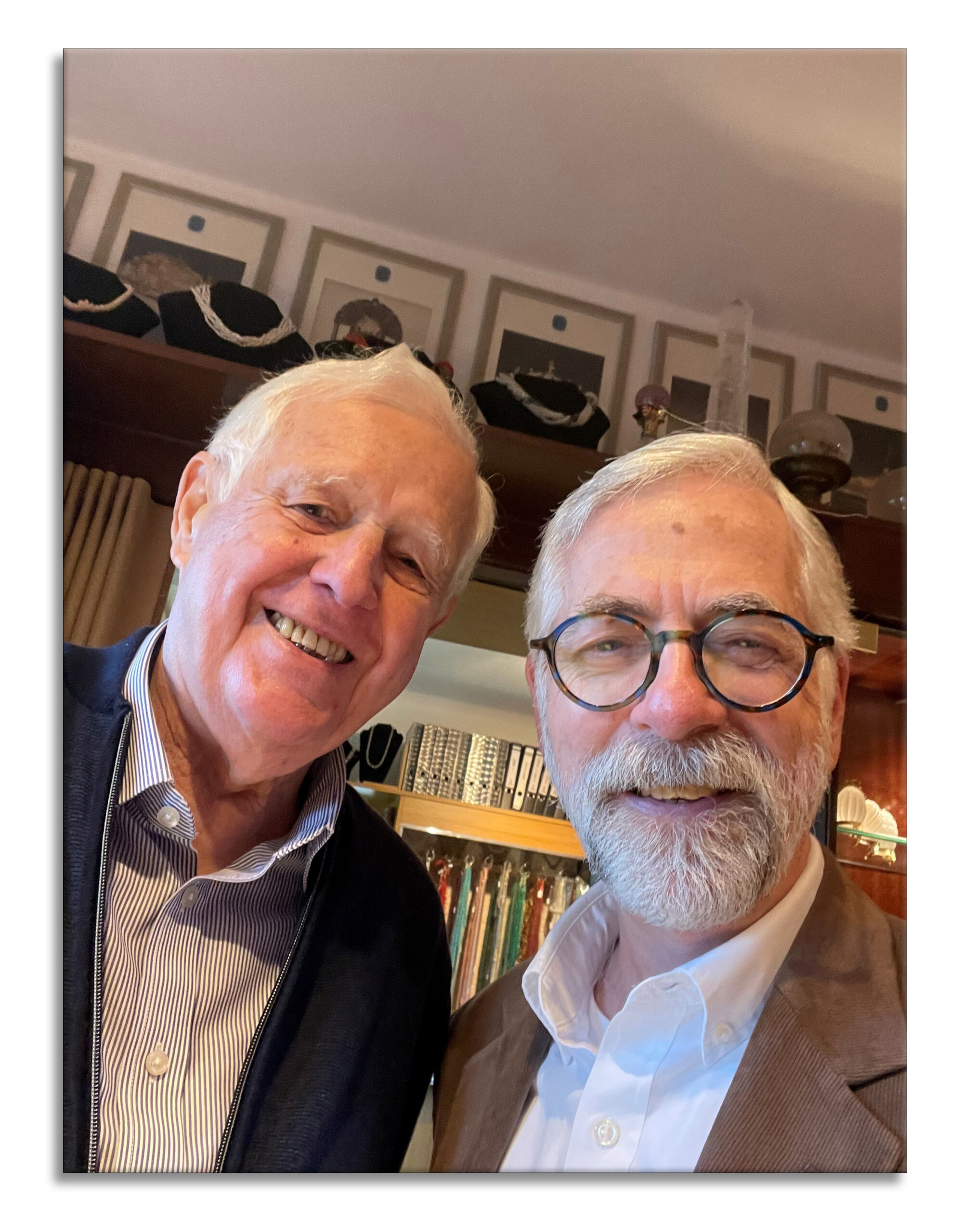
Manfred Wild, master gem carver for Emil Becker in Kirschweiler, is one of Idar-Oberstein’s best-known contemporary gem artists. He is also someone we have known for many years.
So we sent Manfred the Sotheby’s photograph and asked about the signature. “Who was A.R. Wild?”
“The best cameo engraver in the world,” Manfred replied.
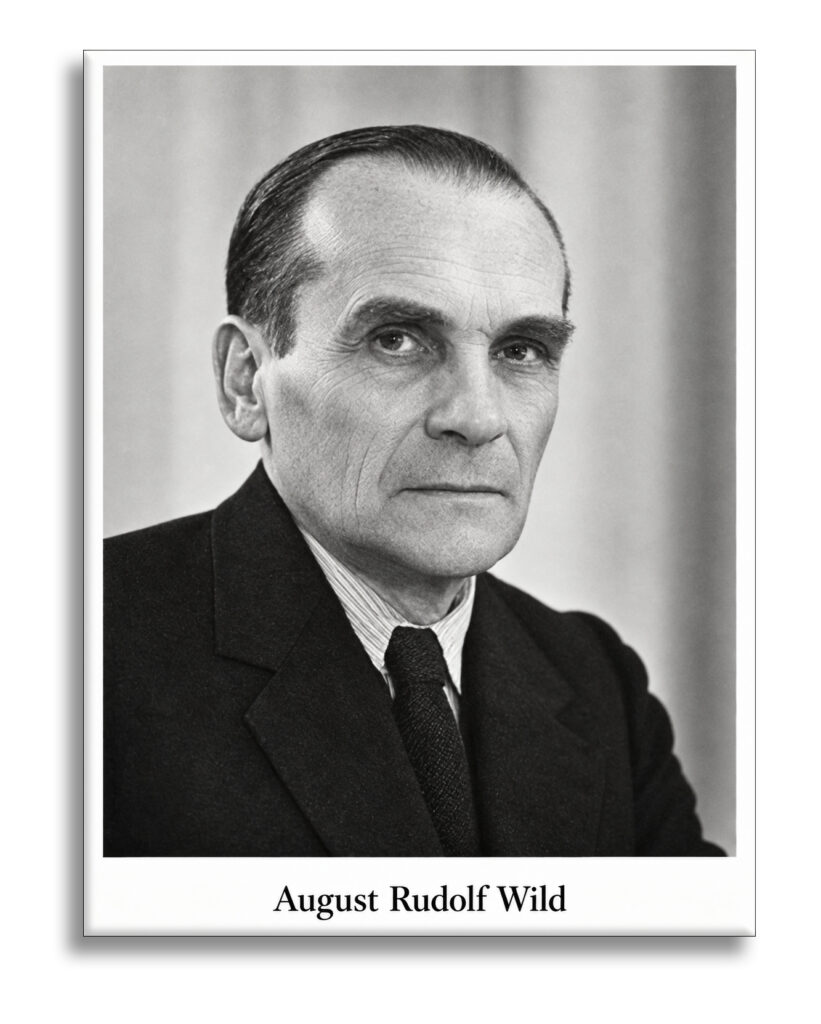
A.R. Wild, August Rudolf Wild (1891–1956), was an Idar-Oberstein gem engraver and gem cutter whose work during the first half of the 20th century placed him amongst the masters of the craft.
And the “22” following the signature? “This stone was carved in the year 1922.” (… a few years before the Cartier jewel was created.)
But that wasn’t all Manfred noticed. Sotheby’s calls the portrait an intaglio. Manfred says it is not.
Not an Intaglio
“He made engravings in the stone,” Manfred explained. “It was not a classical intaglio — carved from the top into the stone — it was what we called ‘flat relief engraving.’”
Okay. Stop right there. A flat relief engraving?
For those of us who hear the word “engraving” and immediately think of letters or designs cut down into a surface, the terminology takes a little getting used to. Because this is not that.
With a classical intaglio, the image itself is cut below the surrounding surface of the gemstone. Wild did something different here.
As Manfred explained it, the artist cuts deeply into the stone around the subject. That lowers the surrounding field while leaving the portrait higher in the center. (Kind of a below-the-surface cameo?) The face is then modeled in relief within that recessed area.
“You carve around deep in the stone and the head was in the center high again.”
So despite the word “engraving,” the portrait itself is not cut down into the tourmaline as it would be in an intaglio. Instead, the gem material surrounding the portrait is cut away, leaving the head raised in relief against a lowered background.
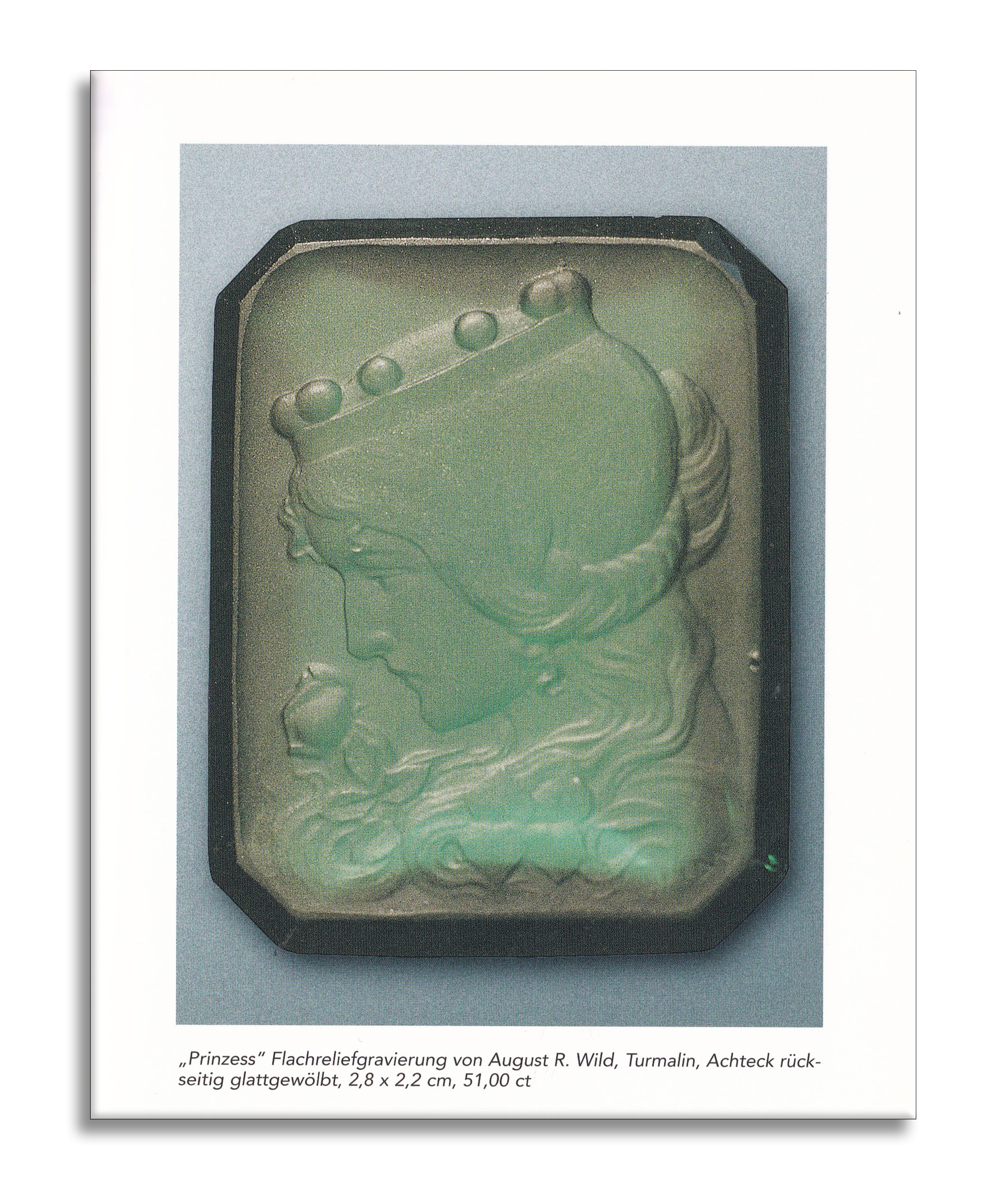
And Manfred had another image of an A.R. Wild tourmaline that makes the terminology wonderfully clear.
“Princess” is a 51.00-carat tourmaline (seen here on the right) by August R. Wild, 2.8 X 2.2 cm. The German caption identifies it specifically as a “Flachreliefgravierung” — flat-relief engraving. Image courtesy Manfred Wild.
There it is in the original German caption: Flachreliefgravierung — flat-relief engraving.
Same artist. Same gem material. Same technique Manfred uses to describe the 1922 Sotheby’s tourmaline.
Who Was August Rudolf Wild?
August Rudolf Wild was born in Idar in 1891 and became one of the most important gem engravers of his generation.
That is not simply family pride speaking.
In a historical overview of gem engraving published in GIA’s Gems & Gemology in 1999, Ute Klein Bernhardt wrote that after World War I, August Rudolf Wild “was considered the best carver in the world.” More recently, gemologist and author Martin P. Steinbach — who just gave the RGNR our tour of the Sainte-Marie-aux-Mines Mineral & Gem Show — wrote that Wild was “probably the most influential carver of his generation” and was among the last masters of cameo engraving.
Which makes Manfred’s immediate description all the more interesting. Nearly a century later, he used almost exactly the same words: “The best cameo engraver in the world.”
Paris — 1937
A.R. Wild’s reputation reached an international high point at the 1937 Paris International Exposition. Among the works associated with the exposition was his extraordinary double-profile gem depicting Ares and Demeter — Ares, the god of war, in front; Demeter, goddess of agriculture and fertility, behind.
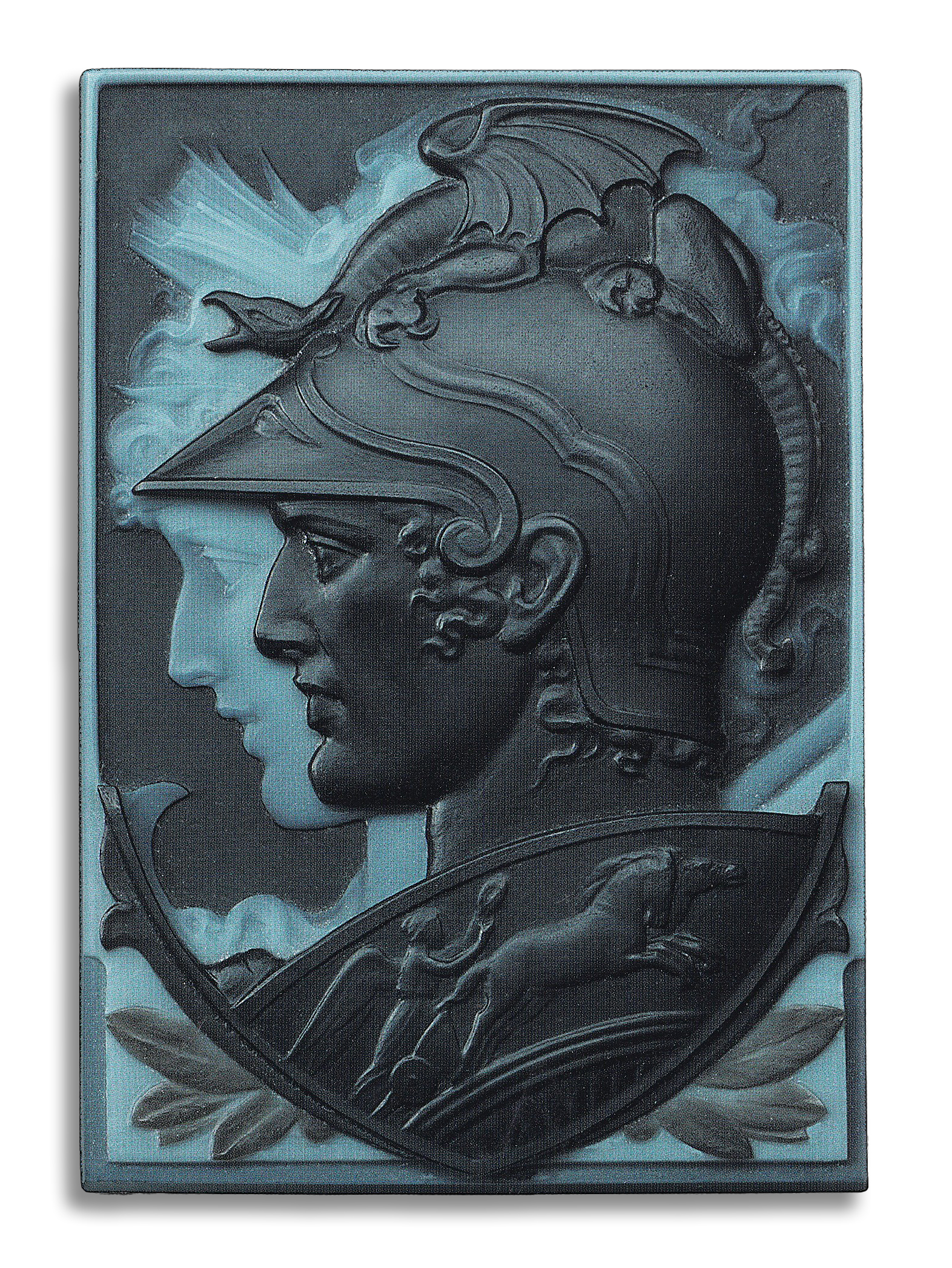
The German Gemstone Museum identifies the work (seen here on the right) as the piece with which Wild won the Grand Prix at the 1937 Paris World’s Fair.
Think of the time frame here. 1936/37 Germany. A cultural-heritage account from Rheinland-Pfalz says Wild began the work in November 1936 specifically for the Paris exhibition and connects his pairing of Ares and Demeter — war and fertility — to the increasingly ominous political backdrop of the period.
And then Manfred sent us something even better: an English translation of a contemporary account written by Ernst Falz and published in the Stadtanzeiger on December 15, 1937 — only months after the Paris award.
Falz wrote that Wild had received the recognition he deserved with the Grand Prix, and praised the technical level of his work. He also described Wild as an artist who would rather endure hardship than lower his standards for uninspired mass production.
One line is particularly useful for our story today. “His flat reliefs are unforgettable. He preferred to work them in Brazilian layered Agate, in fine Tourmaline or Amethyst.”
Flat reliefs.
In Tourmaline.
And suddenly that unusual description Manfred gave us for the Sotheby’s carving does not seem unusual at all.
Back to Sotheby’s
Which brings us back to Lot 1618. Sotheby’s tells us it is a Cartier Art Deco tourmaline and diamond brooch, circa 1925. We know the carved green tourmaline measures approximately 38 × 24 mm. We know it was carved in 1922. And we know the jewel is accompanied by a Cartier Certificate of Authenticity.
And in the documentation — and on the stone itself — there is that signature:
A.R. WILD 22
Without knowing who A.R. Wild was, those letters are easy to pass over.
But they identify the artist. They date the carving to 1922. And they connect this Cartier jewel to one of the great traditions of gem engraving in Idar-Oberstein.
Déjà Vu
More than a decade ago at Baselworld, I came across another tourmaline cameo bearing an A.R. Wild signature at an antique and estate dealer’s booth. The dealer saw the signature, but did not know who had carved it.
I did not recognize the signature, but I knew who to ask.
Manfred happened to be at the fair. I found him in the gem hall, brought him back to the booth, and he proceeded to tell us who the artist was, when the piece had been carved, and the history behind it.
All these years later, another A.R. Wild tourmaline appeared.
So I asked Manfred again. And once again, the signature changed the story.
A.R. WILD 22
Eight tiny characters carved into a tourmaline more than a century ago. Easy to overlook. But once you know what they mean, this is no longer simply a carved tourmaline in a Cartier jewel. It is a 1922 work by one of the great gem engravers of the 20th century.
Sometimes the most interesting part of the story is sitting right there in front of you.
You just have to pay attention to the details.
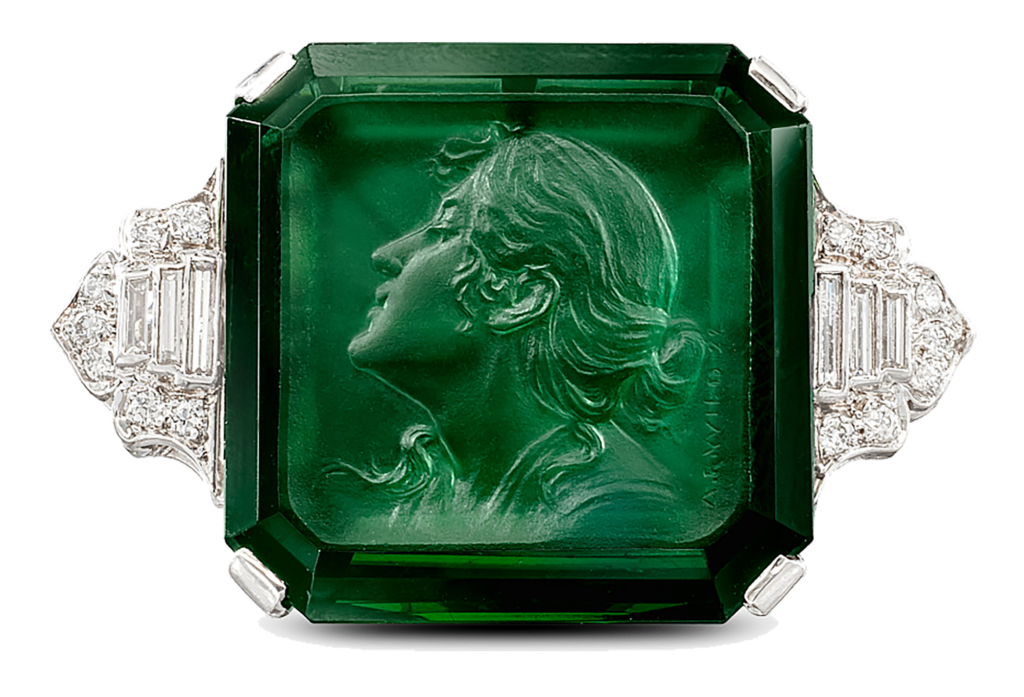
set with diamonds in platinum, by Cartier.
Tap here to view the Sotheby’s Hong Kong High Jewelry Auction catalogue – with results!